Roots of the Celtic Cross
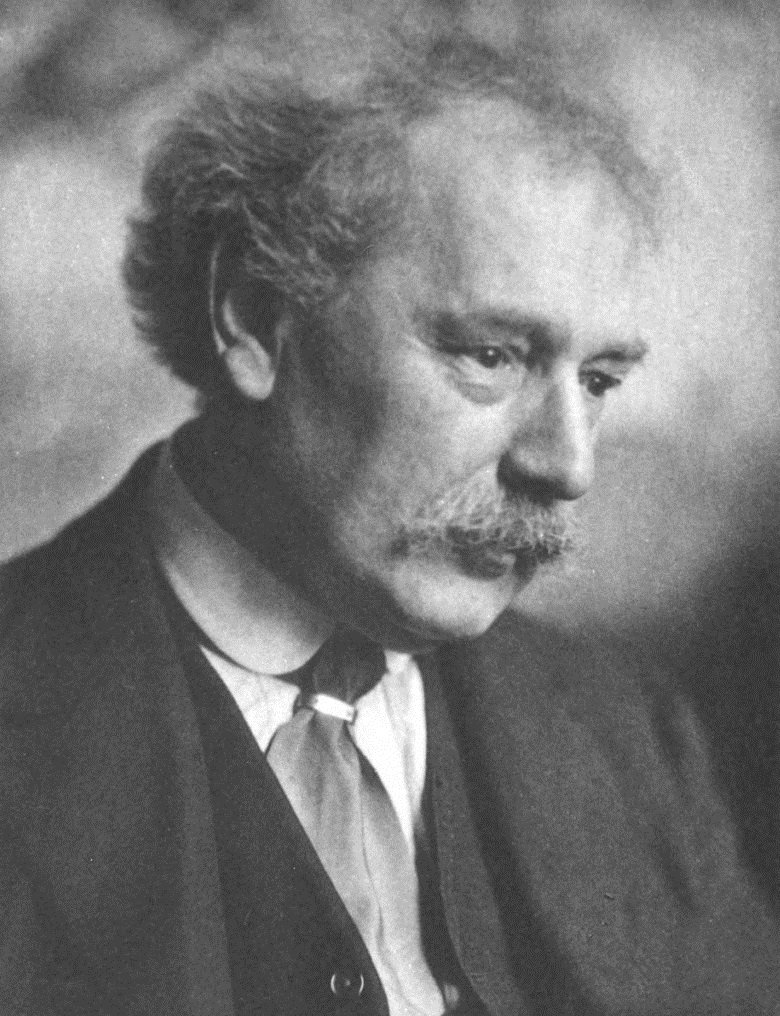
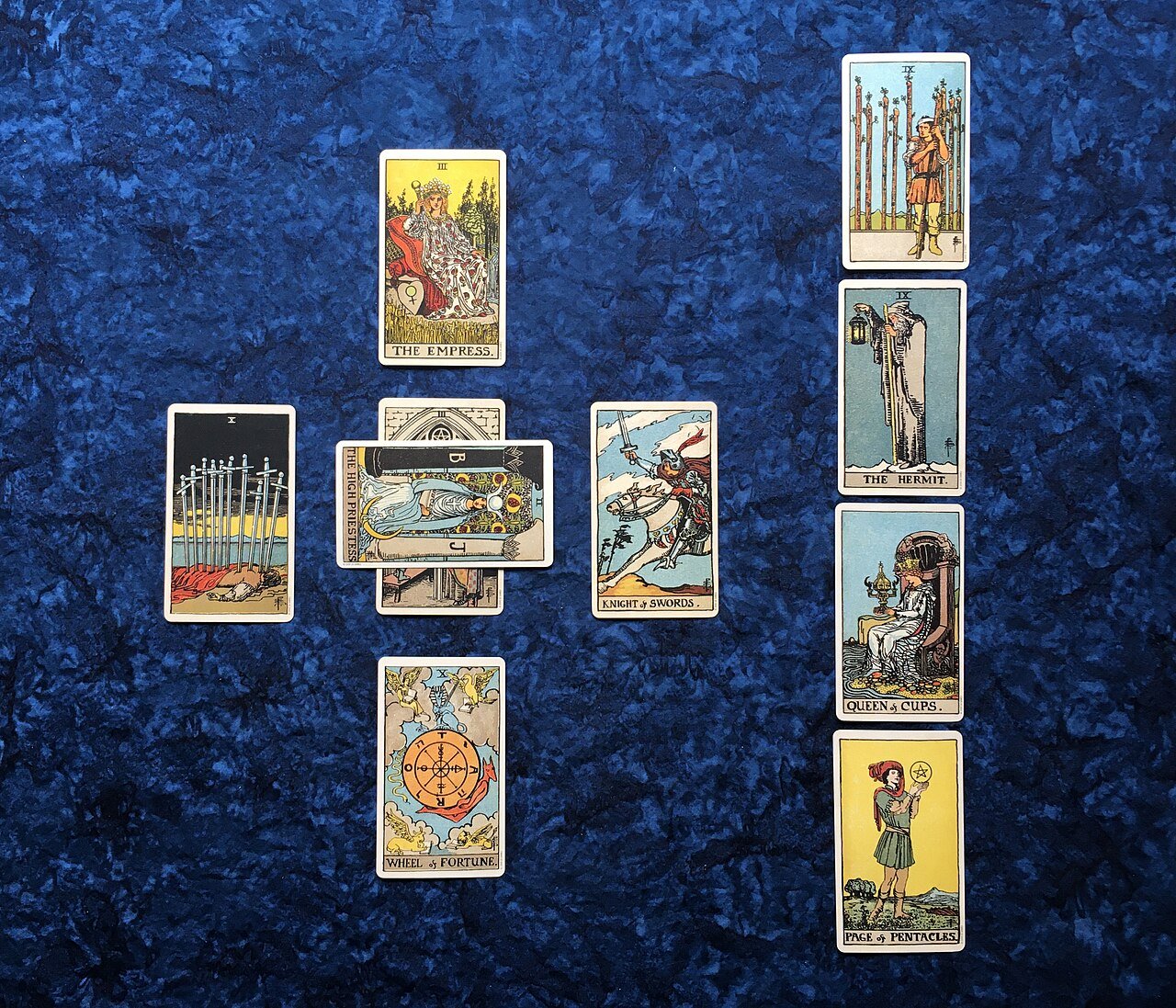
The Celtic Cross is the most widely recognized spread in modern cartomancy. First published in 1910 by occultist Arthur Edward Waite in The Pictorial Key to the Tarot, it transformed tarot from an informal parlor amusement and secretive lodge ritual into a standardized, narrative-driven framework for divination and self-reflection.
Occult Origins: The Golden Dawn
While Waite claimed the Celtic Cross was an “ancient method” passed down through oral tradition, historians trace its immediate lineage to the late 19th-century Hermetic Order of the Golden Dawn in London.
Members like Waite, William Butler Yeats, and artist Pamela Colman Smith drew heavily on Kabbalah, Christian mysticism, and Western esotericism. Waite synthesized these elements into a structured 10-card system designed to accompany the newly illustrated Rider-Waite-Smith (RWS) deck, published by William Rider & Son in 1909–1910.
Becoming the Global Standard
The Celtic Cross became ubiquitous largely because Waite included it directly inside the “Little White Book” packaged with every mass-market RWS deck throughout the 20th century. When the 1960s counterculture and authors like Eden Gray and Rachel Pollack revitalized tarot in the 1970s and 1980s, the Celtic Cross was adopted as the foundational blueprint for modern psychological tarot readings.
Interpreting the Celtic Cross
Start Now
Ready to uncover your story? Let the Celtic Cross guide your next step.